
Schlage Electronic Keypad Lock - Overview, common problems and fixes
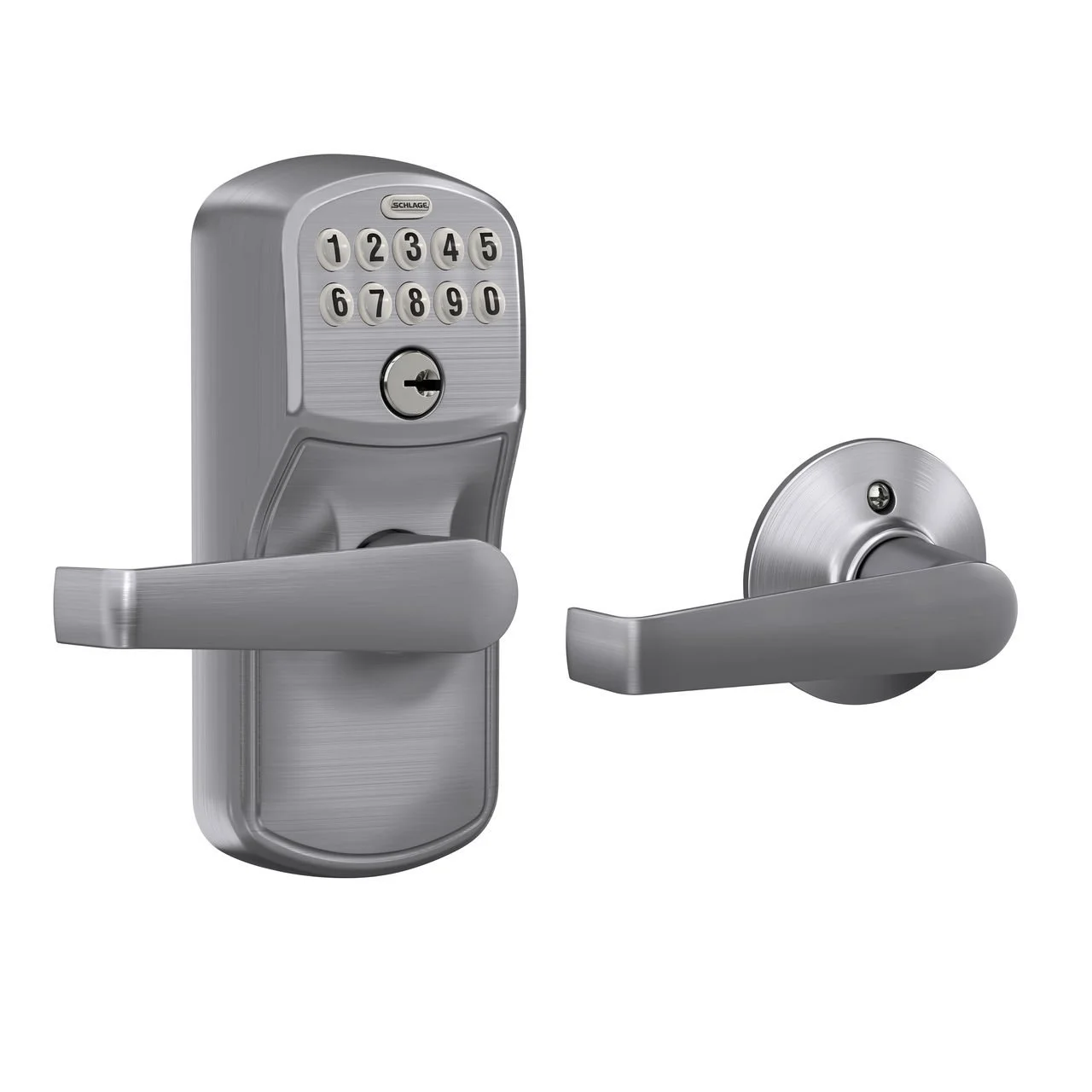
Schlage Electronic Keypad Locks: What You Should Know Before Installing One
When it comes to securing a door or gate, Schlage electronic keypad locks are one of the most dependable options on the market. Whether you're outfitting a rental unit, a commercial property, or your own home, here's everything you need to know about how these locks work — and how to keep them running smoothly.
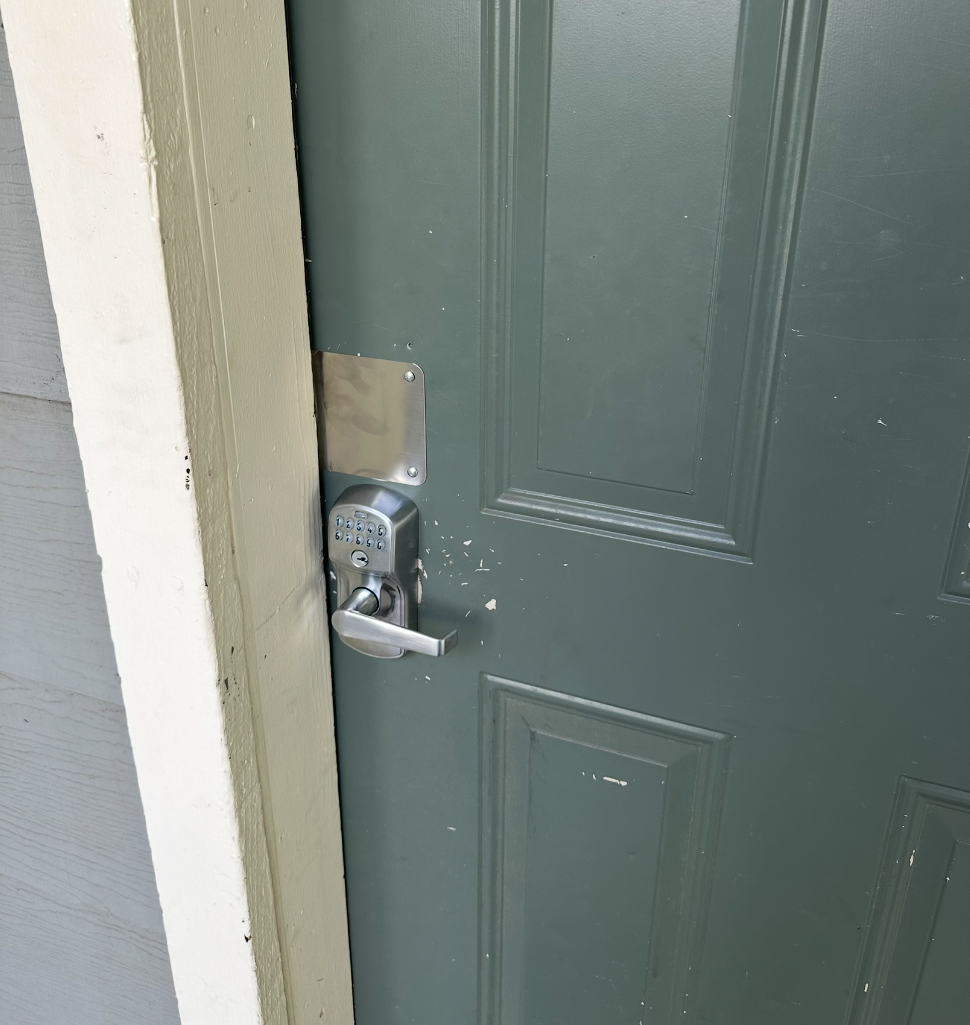
Built Tough for the Elements
Schlage electronic keypad locks are built to handle real-world conditions. They're water-resistant and hold up well in both heat and rain, making them a solid choice for exterior applications. Despite running on a single 9-volt battery, the lock is powered by an internal computer that manages all entry code functions. That battery lasts well over six months under normal use.
Installation is also refreshingly simple. No drilling required. The lock fits directly into a standard door hole, making it a practical upgrade with minimal disruption.
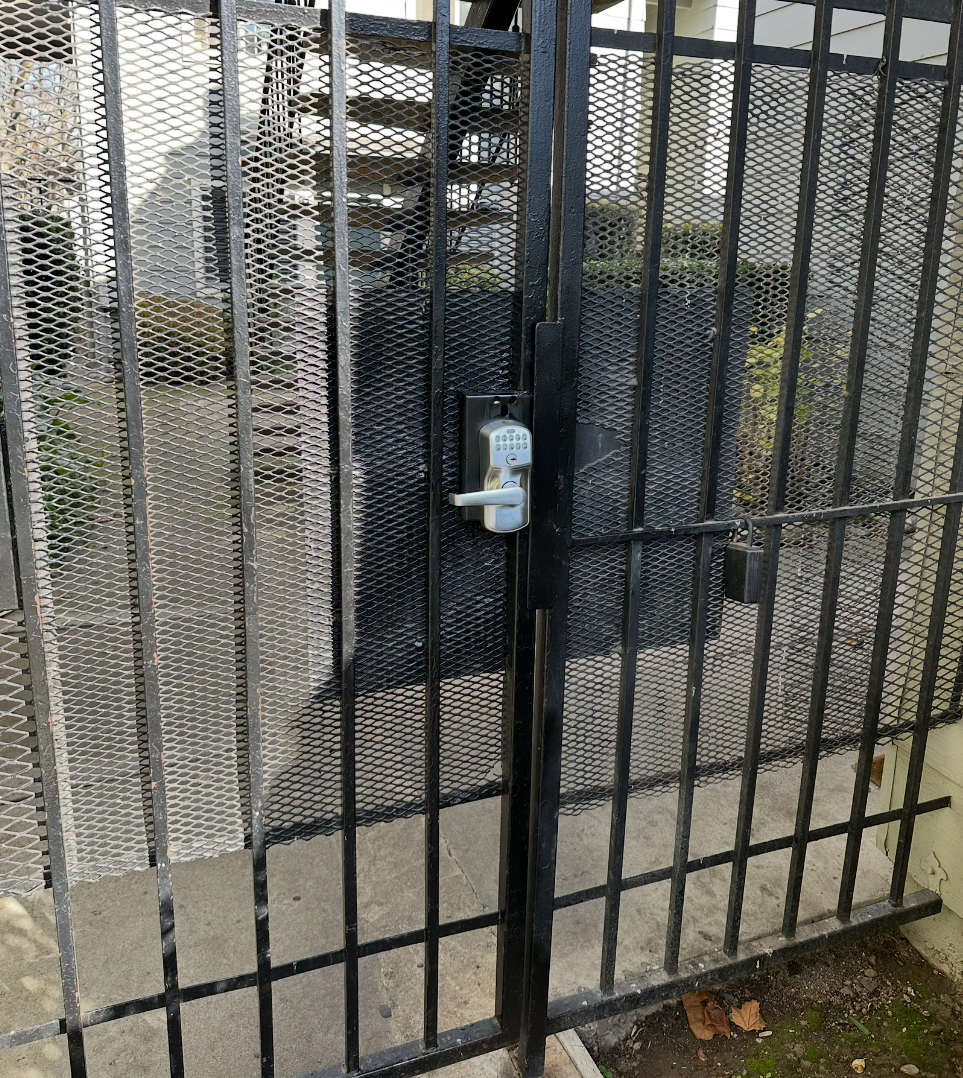
Reliable in the Field
In our experience, these locks rarely give tenants or property managers trouble. Callbacks for service are uncommon. For both interior and exterior use, Schlage keypad locks are a dependable, low-maintenance solution.
Common Issues to Watch For
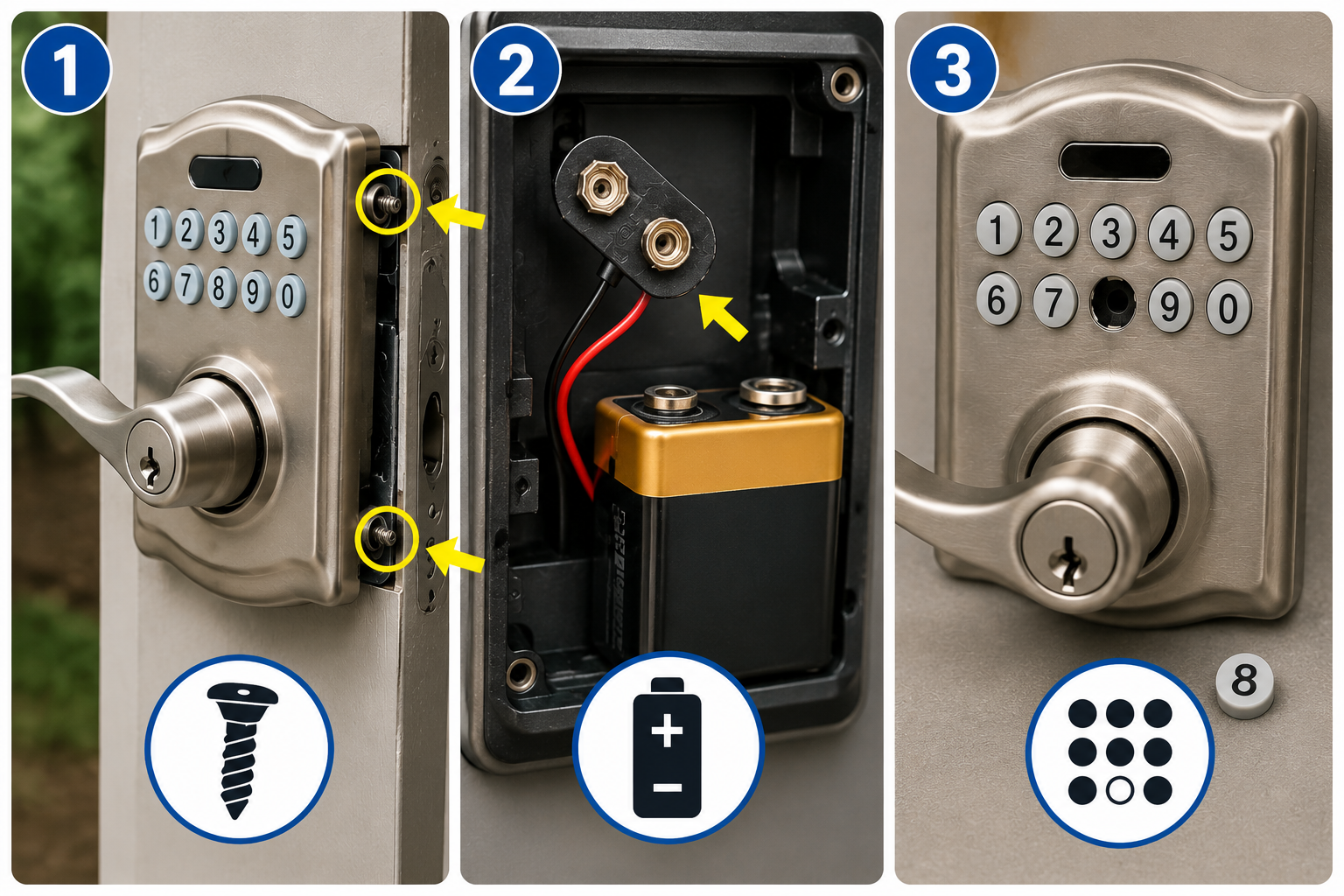
While problems are rare, they do come up over time. Here's what we've seen in the field:
1. Loose screws and sagging. With consistent use, the handle screws can work themselves loose, causing the pushbutton side of the lock to sag to one side. The lock will typically still function when loose, but if left unaddressed long enough, it can eventually fall off the door or gate entirely. Periodic tightening goes a long way.
2. Disconnected battery snap. In one case, we traced an operational failure back to a loose 9-volt battery snap connection. This may have been loose from the initial install, or it could have been knocked free from repeated gate slamming. Either way, it's a quick fix once identified and worth checking if the lock stops responding.
3. Worn or broken button pad. Over time and heavy use, the rubber button pad can break down. Individual number buttons may loosen or fall out entirely. If a digit is missing from the pad, the lock won't be able to read that number, and any code containing it will stop working. Inspecting the pad periodically can help catch this before it becomes a problem.
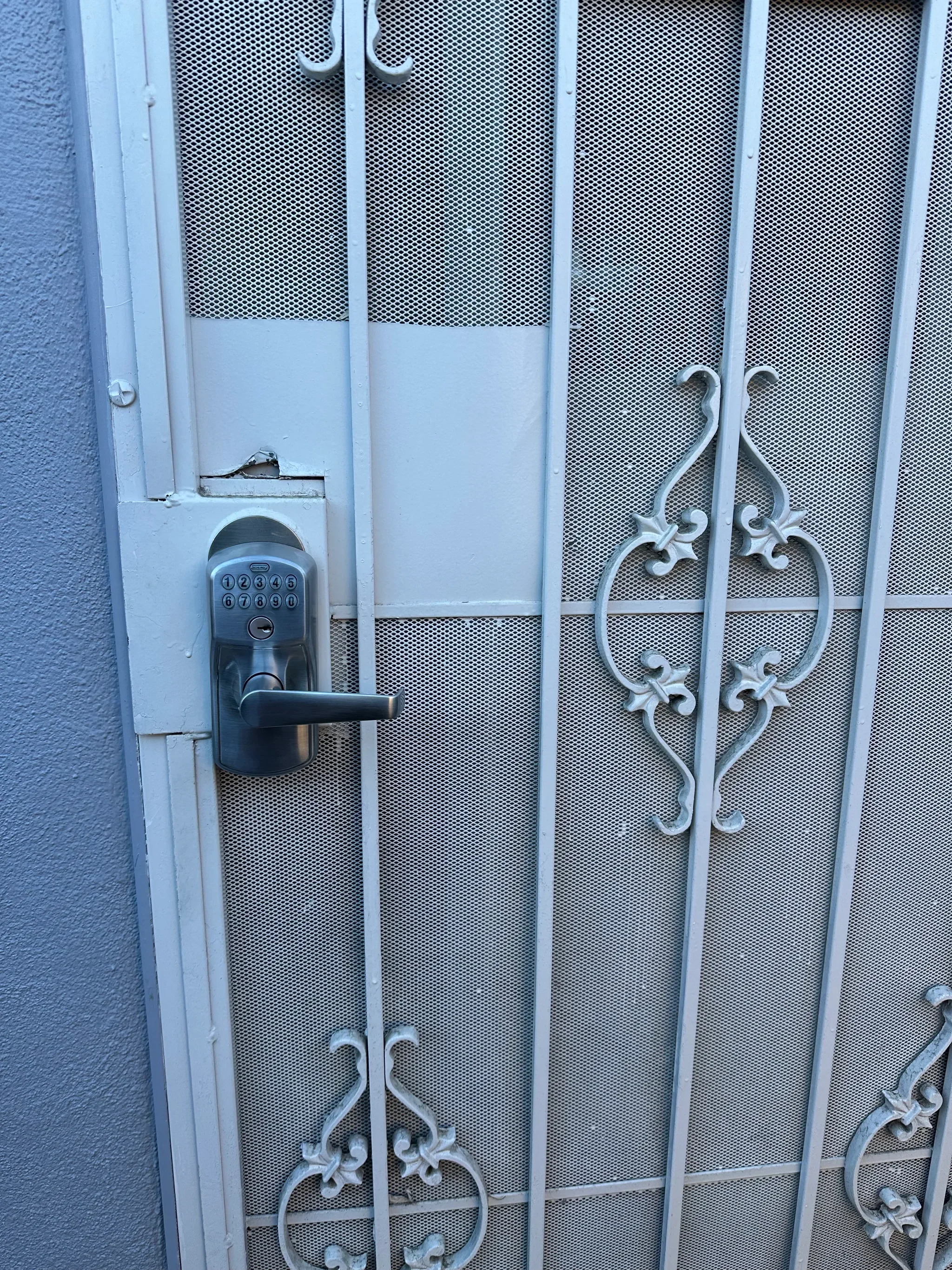
Schlage electronic keypad locks are a smart investment for any property. A little routine maintenance and awareness of these common wear points will keep them functioning reliably for years. Contact us to install them for you!
