
The Real Reason You Should Be Inspecting Your Rental Property Every Year
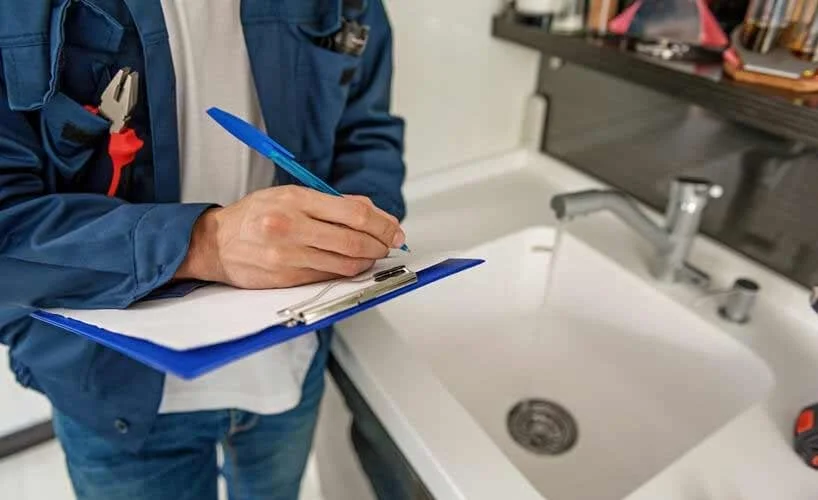
If you own rental property in Sacramento, annual inspections aren't optional anymore. They're the law. But even if they weren't, they'd still be one of the smartest things you can do to protect your investment.
Here's what you need to know.
Sacramento's RHIP Program
Sacramento's Rental Housing Inspection Program (RHIP) requires landlords to inspect the interior and exterior of every rental unit at the start of each tenancy and once a year after that. The inspections follow an official checklist and have to be documented.
Miss one, and you're out of compliance. That exposes you to liability and can create real headaches if you're ever audited by the County. The program exists to ensure rental housing in Sacramento meets basic health and safety standards. The County takes it seriously.
The good news: if you stay on top of it, the process is manageable. The inspection covers things you should be looking at anyway.
What You're Actually Looking For
A proper annual inspection isn't just checking boxes. It's a close look at the property's condition while it's occupied. That means:
Safety systems. Smoke detectors, CO detectors, and fire extinguishers need to be tested and functioning. These are RHIP requirements, but they're also basic landlord obligations under California law.
Structural and habitability issues. Water intrusion, roof damage, HVAC problems, plumbing leaks. These get worse (and more expensive) the longer they go unnoticed.
Preventative maintenance. A small crack in caulking or a loose handrail is a $50 fix today and a $500 fix next year. Annual inspections are how you catch them before they compound.
Tenant-caused damage. It's easier to address issues while the tenant is in place than after they've moved out. Early documentation also strengthens your position if there's a dispute later.
The Documentation Matters as Much as the Inspection
California's AB 2801 (effective 2024) now requires landlords to have timestamped photo documentation of unit condition before a new tenant moves in. Without that baseline, you can't legally deduct for damage from a security deposit.
Annual inspections, done right, build and maintain that documentation over time. You're not just checking the property. You're creating a paper trail that protects you at every tenancy transition.
It's Better for Your Tenant Relationship Too
This one surprises some owners. Regular inspections, done professionally and without drama, actually tend to improve tenant relationships, not strain them. Tenants know you're paying attention to the property. Issues they've been meaning to mention get reported. Problems get fixed before they become grievances.
The inspection is also a clear signal that maintenance requests are taken seriously. Owners who show up once a year tend to hear about problems sooner.
What Happens If You Skip It
Skipping annual inspections tends to mean one thing: you find out about problems at move-out, when your options are limited, and your costs are highest. Deferred maintenance that should have been a $200 repair becomes a $2,000 turnover cost. Damage you didn't document becomes unrecoverable.
Annual inspections aren't an expense. They're what keep the expense from compounding.
QuickTurn Maintenance handles RHIP inspections for property managers and owners throughout Sacramento. We're CAA-certified, licensed (Contractor #1152617), and AppFolio-fluent. If you want the compliance piece off your plate, get in touch.
