
Smoke and CO Detector Requirements for California Properties
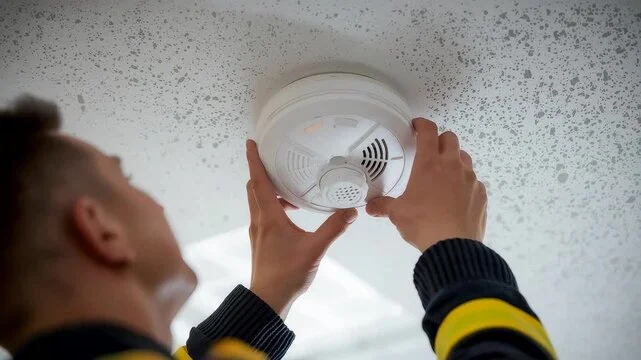
Before selling or renting a property in California, smoke alarms and carbon monoxide detectors must be installed and functional per state law. This guide covers placement requirements, the best detector types for rentals, and proper disposal of old units.
Compliance Is Required Before Sale or Rent
In California, the seller or property owner is responsible for ensuring all smoke alarms and CO detectors are installed and up to code before a property can be sold or rented.
This isn't optional—it's a legal requirement. Properties cannot legally change hands or be rented without meeting these safety standards.
California Requirements at a Glance
Smoke Alarms Required In:
Every bedroom
Every hallway leading to the bedrooms
Every living room
Every basement (if applicable)
Carbon Monoxide (CO) Detectors Required:
One CO detector per floor minimum
Placed outside each sleeping area
On every level, including basements
Simple rule: More detectors than the minimum are always better for safety.
Best Detector Type for Rental Properties
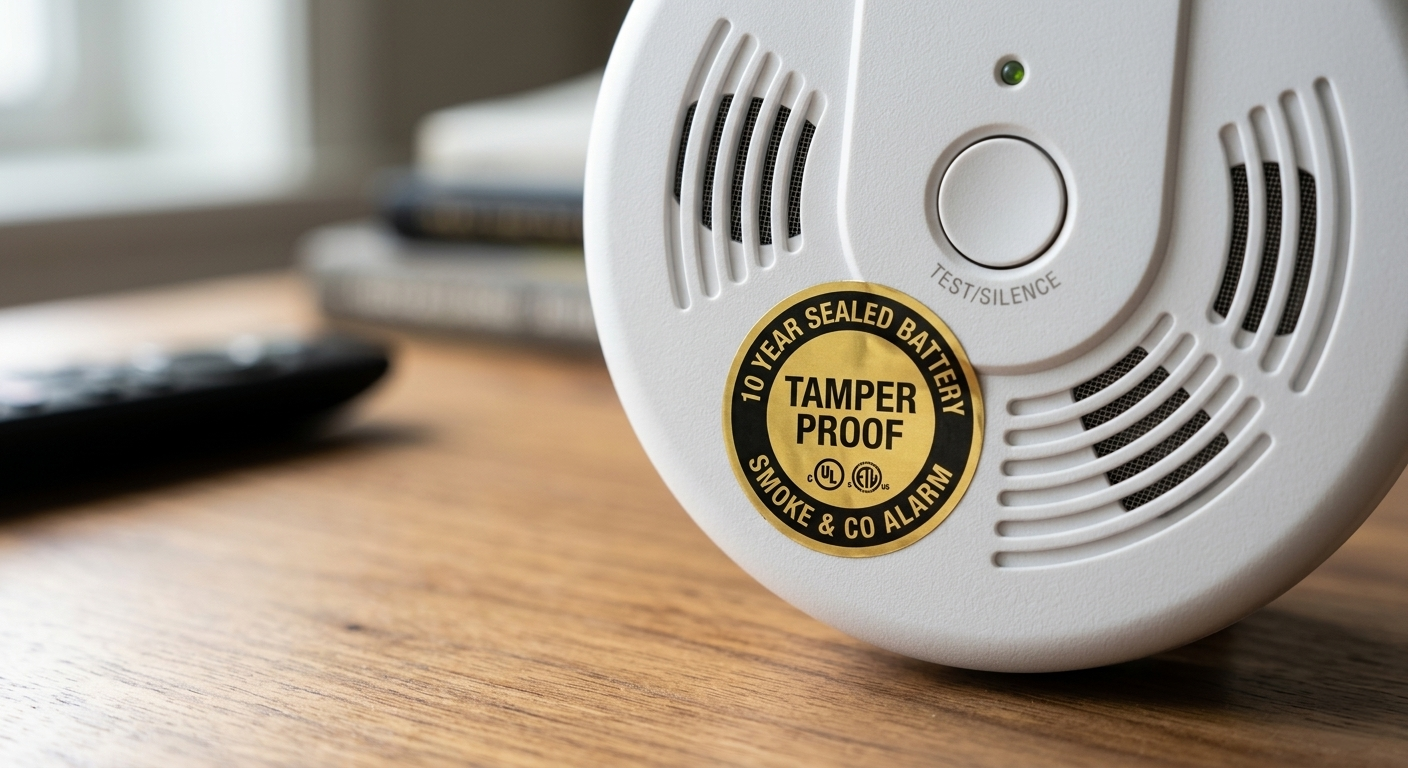
Use 10-Year Sealed Battery Units
For rental properties, 10-year sealed battery detectors are the best choice.
Why sealed batteries matter:
Traditional detectors with replaceable batteries create ongoing problems in rentals. Tenants frequently remove batteries from other devices—TV remotes being the most common culprit.
Benefits of sealed 10-year units:
The battery cannot be removed
No tenant maintenance required
Eliminates "dead battery chirping" complaints
Lasts the entire 10-year detector lifespan
Replace the entire unit after 10 years
Cost vs. value: While 10-year units cost more upfront, they eliminate battery replacement visits and ensure continuous protection.
Proper Detector Placement
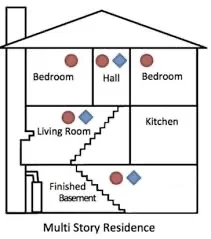
General Placement Rules
Keep detectors 10 feet away from:
Kitchens (cooking smoke causes false alarms)
Ceiling fans (air movement affects detection)
Windows (drafts interfere with operation)
Smoke Alarm Placement
Install on the ceiling or high on the wall in:
Each bedroom
Hallways outside sleeping areas
Living rooms
Basements
Ceiling installation preferred: Smoke rises, so ceiling mounting provides the earliest detection.
CO Detector Placement
Install near sleeping areas since CO poisoning is most dangerous when people are asleep:
Outside each bedroom (in the hallway)
On every floor level
In basements
Height doesn't matter: Unlike smoke, CO distributes evenly in the air. Wall or ceiling mounting both work.
Installing New Detectors

Before Installation
Check expiration dates - All detectors have a manufacturer date and a 10-year lifespan
Test each unit - Press the test button to verify it works
Read instructions - Mounting requirements vary by model
Installation Steps
Mark ceiling or wall location (10 feet from kitchen, fans, windows)
Install the mounting bracket with the provided screws
Attach detector to bracket (twist or slide, depending on model)
Test the unit again after installation
Record installation date for future reference
Disposing of Old Detectors Properly
Why Proper Disposal Matters
Simply throwing old detectors in the trash creates problems:
Noise pollution - Old detectors can chirp in dumpsters and landfills
Fire hazard - Damaged batteries can ignite in trash compactors
Environmental impact - Batteries contain harmful materials
How to Disable Before Disposal
Follow manufacturer's instructions on the back of each detector:
Most detectors require you to:
Remove from the mounting bracket
Locate the disable instructions (printed on the back)
Remove the battery or follow the specific disable procedure
Break the detector to prevent reuse (some instructions specify this)
For sealed 10-year units:
Follow the specific disposal instructions on the back
Many require physically breaking the unit to disable it
Disposal Options
Battery recycling centers - For detectors with removable batteries
E-waste recycling - Many accept smoke/CO detectors
Municipal hazardous waste collection - Check your local schedule
Retailer take-back programs - Some stores accept old detectors
Compliance Checklist
Use this before listing a property for sale or rent:
☐ Smoke alarm in every bedroom
☐ Smoke alarm in every hallway near bedrooms
☐ Smoke alarm in the living room
☐ Smoke alarm in basement (if applicable)
☐ CO detector on every floor
☐ CO detectors outside sleeping areas
☐ All detectors are 10-year sealed battery units
☐ All detectors test successfully
☐ All detectors are within their 10-year lifespan
☐ Detectors placed at least 10 feet from kitchens, fans, and windows
☐ Old detectors properly disabled and disposed of
☐ Installation dates recorded
Common Questions
Q: Can I use hardwired detectors instead of battery-powered?
A: Yes, hardwired detectors meet code requirements and are excellent for properties with existing wiring.
Q: How do I know when a 10-year detector expires?
A: Check the manufacture date printed on the back. Replace 10 years from that date, regardless of whether it still works.
Q: Do I need CO detectors if there's no gas in the property?
A: Yes. California requires CO detectors in all dwelling units. CO can come from attached garages, fireplaces, or neighboring units.
Q: Can tenants refuse to allow detector installation?
A: No. Smoke and CO detectors are required by law. Landlords have the right to enter (with proper notice) to install required safety equipment.
Q: What if a tenant removes a sealed battery detector?
A: This is a lease violation. Tenants cannot remove required safety equipment. Document and address through proper lease enforcement procedures.
Maintenance Schedule
Annual Tasks
Test all detectors
Verify none are expired (check manufacture dates)
Replace any that fail testing
Every 10 Years
Replace all detectors regardless of function
Update installation date records
Between Tenants
Test all detectors during turnover inspection
Replace any expired or non-functional units
Document compliance before the new tenant moves in
Legal Considerations
Liability
Failure to maintain smoke and CO detectors exposes property owners to:
Fines and penalties
Liability in case of injury or death
Insurance claim denials
Lease violations
Protection: Maintain documentation of all detector installations, testing, and replacements.
Tenant Responsibility
While landlords must install and maintain detectors, tenants are typically responsible for:
Not removing or disabling detectors
Reporting malfunctions immediately
Allowing access for testing and replacement
Include detector requirements and responsibilities in your lease agreements.
Conclusion
Smoke and CO detector compliance is non-negotiable in California. Use 10-year sealed battery units to eliminate maintenance headaches, place them according to code requirements, and properly dispose of expired units.
Key takeaways:
One detector per bedroom + hallways + living areas
One CO detector per floor minimum
10-year sealed batteries prevent tenant tampering
Disable old detectors before disposal
Document everything for liability protection
Professional Property Compliance Services
QuickTurn Maintenance handles detector installation, testing, and compliance documentation for property managers and real estate agents preparing properties for sale or rent.
Contact us today to ensure your property meets all California safety requirements.
