
My Deadbolt Is Broken! Common Problems and Quick Solutions

Deadbolt won't lock? Key getting stuck? Most lock problems come from three simple issues: misaligned strike plates, loose screws, or lack of lubrication. This quick guide shows you how to diagnose and fix each problem in minutes with basic tools.
Problem 1: Deadbolt Won't Turn All the Way
The Issue: You turn the lock but it won't engage fully—it hits something and stops.
The Cause: Your strike plate (the metal piece on the door frame) is misaligned with the bolt.
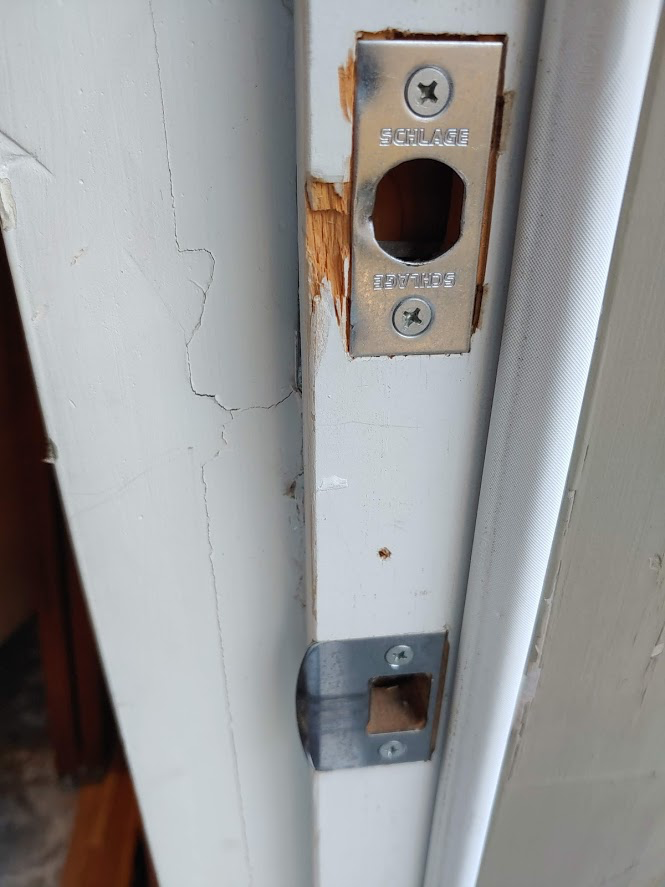
Quick Fix: Realign the Strike Plate
What you need: Wood chisel, hammer, Phillips screwdriver
Test the alignment first:
Close the door and turn the deadbolt
While holding it engaged, slowly pull the door toward you
If the bolt doesn't slide in → strike plate is too far forward
If the bolt engages before the door closes → strike plate is too far back
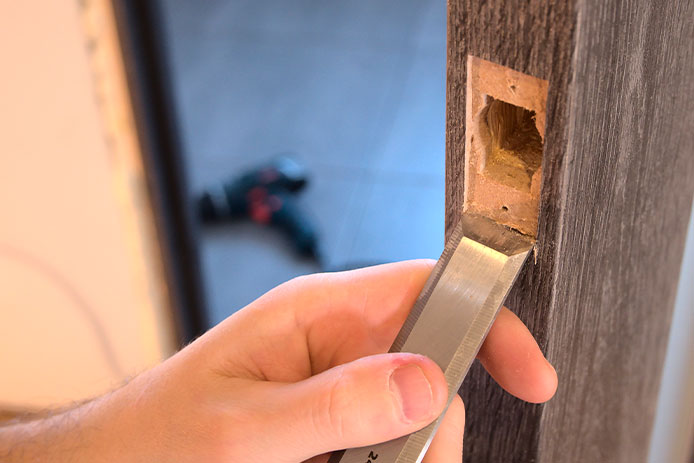
Make the adjustment:
Remove the strike plate screws
Use the chisel to remove wood from the door jamb:
Too far forward? Chisel the left side (deepen the mortise)
Too far back? Chisel the right side (move it outward)
Start small—only remove 1/8" to 1/4" of wood
Test, then reinstall the strike plate
You may occasionally need to move the plate up or down using the same chiseling method.
Problem 2: Deadbolt Feels Loose and Wobbly
The Issue: The lock jiggles when you turn it and doesn't feel solid.
The Cause: Mounting screws have loosened over time.
Quick Fix: Tighten All Screws
What you need: Phillips head screwdriver
Two sets of screws to tighten:
Interior mounting screws (inside the door)
Two long screws that hold the deadbolt together horizontally
Tighten firmly but don't overtighten
Edge screws (narrow side of the door)
Two screws above and below the bolt faceplate
These keep the lock from shifting
Test the lock afterward—it should feel solid with no wobble.
Problem 3: Key Gets Stuck or Won't Turn Smoothly
The Issue: Your key feels gritty, requires force to turn, or gets stuck in the lock.
The Cause: Dust, debris, or dry pins inside the cylinder.
Quick Fix: Lubricate Properly
What you need: 3-IN-ONE Fast Acting Penetrant OR Graphite dry lubricant

⚠️ NEVER Use WD-40 on Locks
WD-40 attracts dust and gums up the mechanism—it makes locks worse over time. Use products designed specifically for locks.
How to lubricate:
With 3-IN-ONE Penetrant:
Insert nozzle into keyway
Apply 2-3 short bursts
Insert key and turn back and forth several times
Wipe away excess
With Graphite Powder:
Squeeze a small puff into the keyway
Insert key and work it in and out
Turn key back and forth to distribute
Wipe excess from lock face
Maintenance tip: Lubricate your deadbolts once or twice per year to prevent problems.
Still Not Working?
Check Your Door Hinges
If the door doesn't close flush with the frame, tighten loose hinge screws. A sagging door will throw off even a perfectly aligned strike plate.
When to Replace vs. Repair
If your deadbolt is 10-15+ years old and has multiple issues, replacement is often more cost-effective than ongoing repairs.
Call a Professional If:
The lock cylinder is cracked or damaged
You suspect tampering or forced entry
Internal mechanisms have failed (bolt won't extend at all)
You're not comfortable making adjustments

Conclusion
Most deadbolt problems are simple fixes that take 10-15 minutes and basic tools. Regular maintenance—tightening screws annually and lubricating twice a year—prevents most issues before they start.
Need Professional Lock Service?
Our technicians handle everything from simple adjustments to complete lock replacements. We'll ensure your home stays secure with properly functioning deadbolts.
Contact us today to schedule a service appointment.
