
The 5 Maintenance Mistakes That Trigger Fair Housing Complaints

Most fair housing violations don't start at the leasing office. They start with a work order. Here are the five most common maintenance mistakes that put California property managers at legal risk, and how to avoid them.
Fair Housing Isn't Just a Leasing Problem
Ask most property managers about fair housing compliance and they'll talk about screening criteria and rental applications. That's important, but it's only half the picture.
The other half happens after move-in, every time your maintenance team enters a unit, responds to a repair request, or schedules a vendor. Those day-to-day decisions can either protect you or expose you to complaints that carry penalties up to $65,000 per violation.
The good news: most maintenance-related violations are preventable. They usually come down to five common mistakes.

Mistake #1: Inconsistent Response Times Across Units
This is the most common and most invisible fair housing risk in property maintenance.
Here's how it happens: your team uses a first-come, first-served work order system. On paper, everyone gets equal treatment. But in practice, similar repairs get resolved in 24 hours in some units and take two weeks in others. No one made a decision to treat tenants differently. It just happened due to different vendors, different staff, and different days of the week.
Over time, a pattern emerges. And if that pattern consistently favors certain tenants over others, and it aligns with a protected class, it can support a fair housing complaint.
The fix: Document every work order with timestamps for both submission and completion. Set written priority tiers (emergency, urgent, routine) and apply them consistently to every unit. Review your response times regularly and look for outliers.
Mistake #2: Deprioritizing Disability-Related Repairs
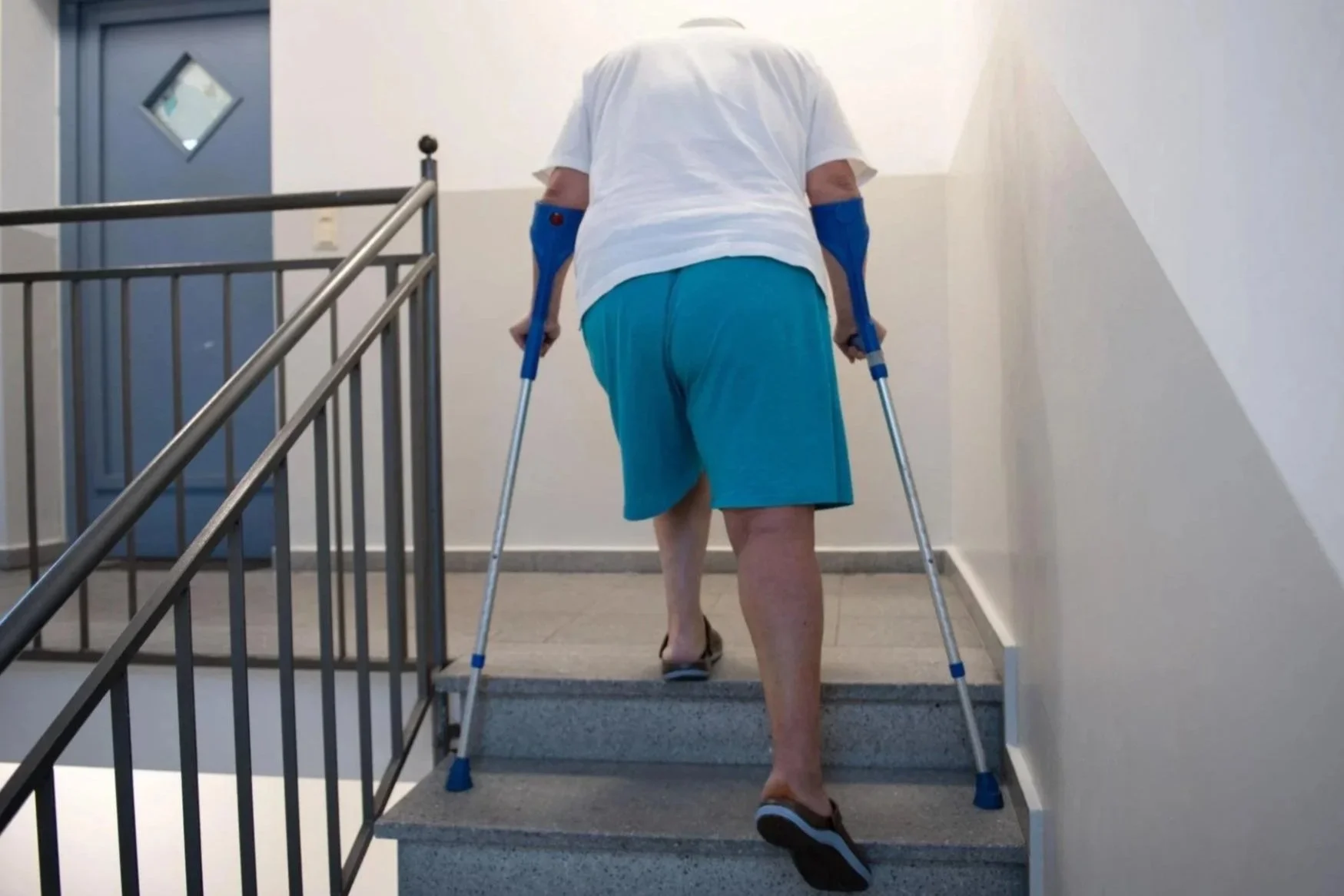
When a tenant's repair request is connected to their disability, the stakes are significantly higher. Requests involving grab bars, accessible entry points, ramps, or other accessibility features aren't just maintenance items. They're often reasonable modification requests protected under the Fair Housing Act.
Delaying or repeatedly postponing these repairs while completing routine or cosmetic work in other units is one of the fastest ways to generate a fair housing complaint. You don't even need to formally deny the request. Prolonged inaction is treated the same as a refusal.
The fix: Flag any repair request that could be disability-related and fast-track your response. Document your handling of the request in writing, including the date received, your response, and the completion date. When in doubt, consult your property manager or legal counsel before deprioritizing.

Mistake #3: Using Vendors Who Treat Tenants Differently
Your maintenance vendors are an extension of your operation, and their behavior on-site is your liability.
This is a scenario that happens more than most property managers realize: a vendor consistently reschedules, cancels, or provides noticeably lower-quality work in certain units while completing similar jobs in other units without issue. The vendor may cite communication difficulties or scheduling conflicts. But if the pattern aligns with tenants of a particular national origin, race, or other protected class, the property manager can be held responsible.
The fix: Vet your vendors for professionalism and consistency. Monitor their performance across your portfolio. If you notice patterns in who gets rescheduled or who receives lower-quality work, address it immediately. Make sure vendors understand that fair housing standards apply to their on-site conduct, not just yours.
Mistake #4: Applying Entry Notice Rules Unevenly
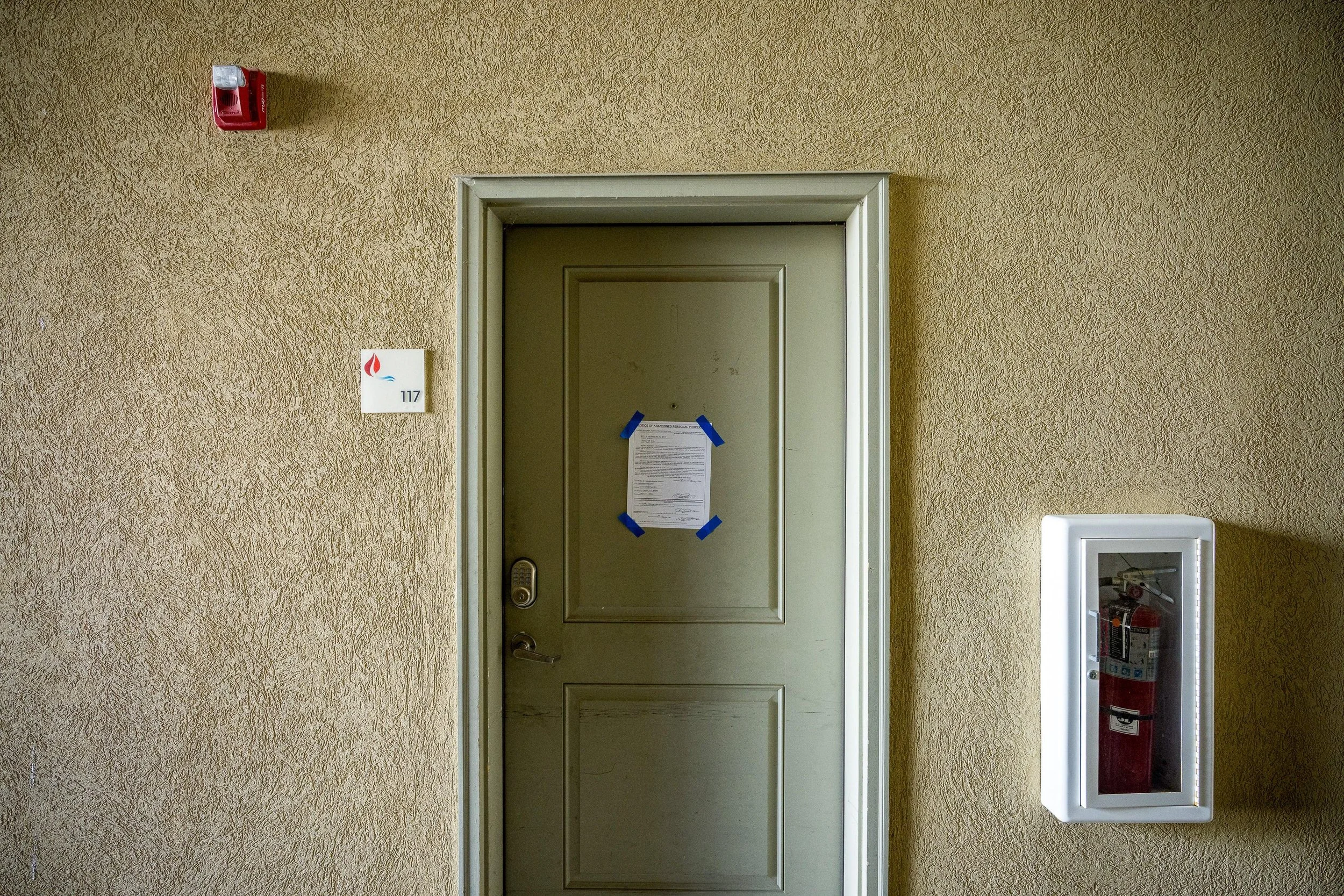
California law requires 24 hours written notice before entering a tenant's unit for non-emergency maintenance. That rule applies to every tenant, every time with no exceptions based on who lives in the unit.
When property managers or vendors give some tenants more notice, more flexibility, or more courtesy around scheduling, while treating others with less consideration, it creates a disparity. If that disparity tracks along protected class lines, it becomes a fair housing issue.
The fix: Standardize your entry notice process across your entire portfolio. Use the same notice format, the same lead time, and the same scheduling communication for every unit. Train your vendors to follow the same protocol.

Mistake #5: Retaliating After a Repair Complaint
This one catches property managers off guard because it often doesn't feel like retaliation. It just feels like consequences.
Under California Civil Code 1942.5, any adverse action you take within 180 days of a tenant exercising their legal rights, including filing a repair complaint or a fair housing complaint, is presumed retaliatory. That means the burden of proof falls on you to demonstrate you had a legitimate, independent reason for the action.
Raising rent, reducing services, issuing a notice to vacate, or even being less responsive to future maintenance requests can all qualify as retaliation if the timing is wrong.
The fix: Create a paper trail before taking any adverse action against a tenant who has recently complained. Never reduce maintenance responsiveness as a reaction to a complaint. And train every member of your team, including field technicians, to understand that retaliation is illegal even when it feels justified.
The Common Thread: Patterns Beat Intent
The most important thing to understand about fair housing in maintenance is this: you don't have to intend to discriminate to violate the law. What matters is the pattern of outcomes.
A well-run maintenance operation protects you by default, because consistent processes, documented decisions, and equal service delivery leave no pattern to point to.
That's what QuickTurn Maintenance is built to deliver. Every work order, every unit, every time.
Want to make sure your maintenance vendor isn't creating fair housing exposure? Contact QuickTurn Maintenance today.
This post is for general informational purposes and does not constitute legal advice. Consult a qualified attorney for guidance specific to your situation. For California fair housing resources, visit calcivilrights.ca.gov or contact HUD's San Francisco Regional Office at 1-800-347-3739.
