
Lockey USA 2835 and 1150 – Overview, Common Problems and Fixes
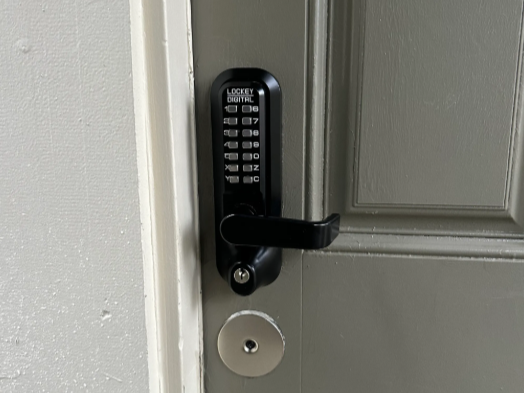
Mechanical pushbutton locks like the Lockey USA 2835 and 1150 are a reliable solution for securing gates, doors, and rental properties without relying on electronics. Built entirely with internal mechanical components, these locks are designed to withstand harsh weather conditions while maintaining consistent performance over time.
Unlike electronic keypad locks, these systems operate using a series of internal pins that correspond to the buttons on the keypad. When the correct code is entered, the pins align and allow the handle to engage the latch. Because there are no batteries, circuit boards, or wiring, these locks are far less susceptible to damage from rain, heat, or corrosion—making them especially effective for outdoor use.
How the Mechanism Works
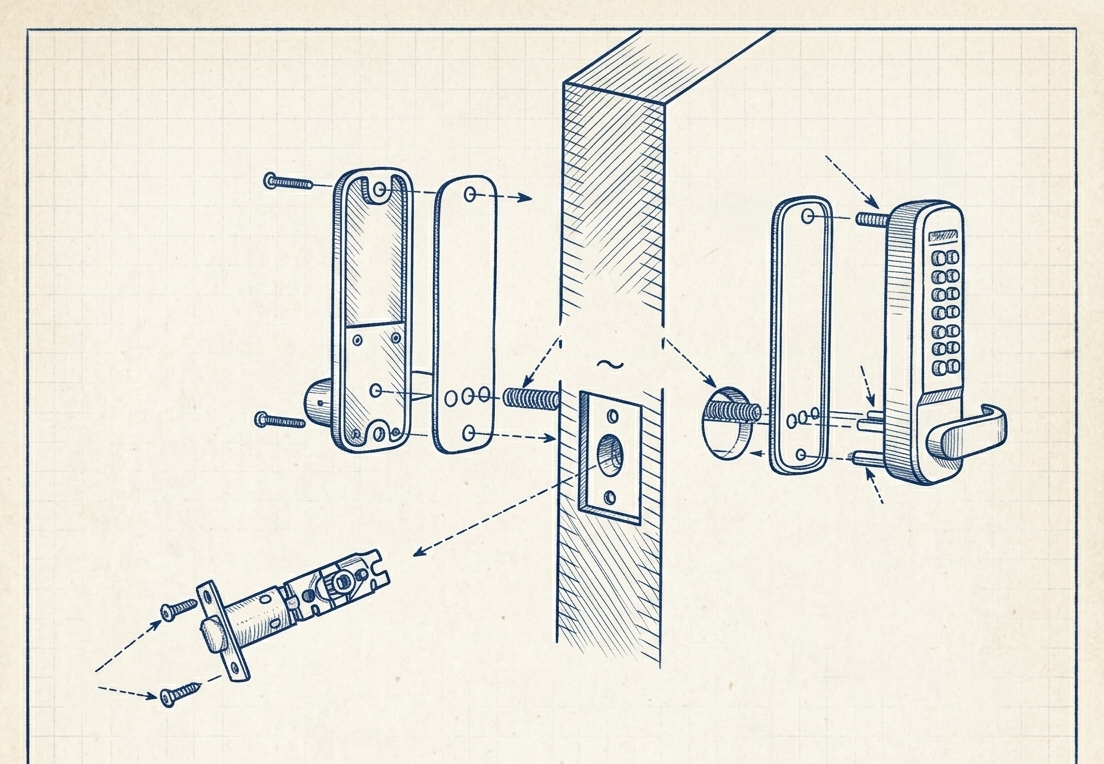
Inside the lock, each button press activates a mechanical pin. Only when the correct combination is entered do the pins align properly, allowing the handle to turn and retract the latch. This simple but effective design eliminates many of the common failure points found in electronic locks and contributes to the longevity of the hardware.
Built-In Dummy Mode for Added Security
One of the more unique features of these locks is the built-in “dummy mode.” If excessive force is applied to the handle without entering the correct code, the handle will shift from its normal horizontal position to a vertical position. This action disengages the handle from the internal locking mechanism.
While it may appear that the lock has been broken, it is actually a protective feature designed to prevent internal damage and discourage further tampering. Resetting the lock is simple—just return the handle to its original horizontal position, and normal function will resume.
Passage Mode and Why Your Lock May Open Without a Code
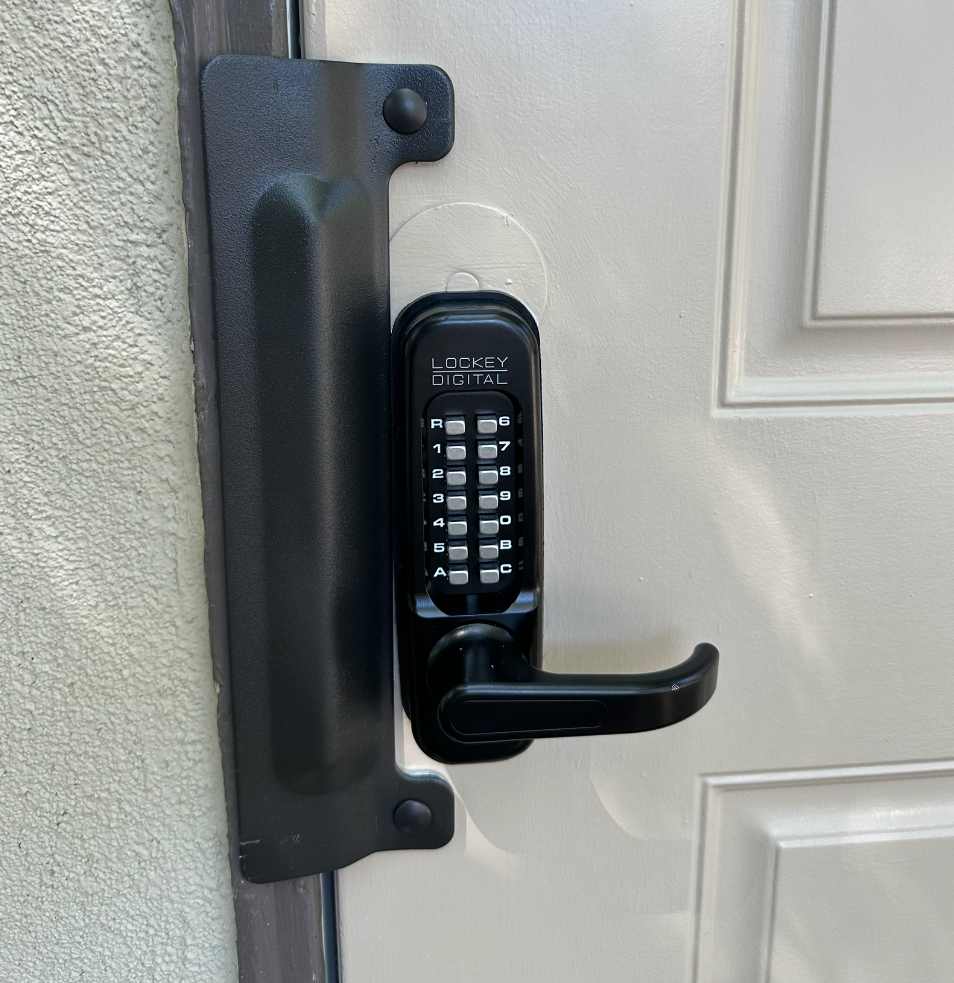
If your lock opens without requiring a code, it is likely set to “passage mode.” This mode is controlled by a small internal component known as the “Y” or “R” pin, which is sometimes left installed during initial setup.
To disable passage mode, the back plate of the lock must be removed. After removing the four screws securing the plate, press and hold the “C” button while carefully removing the Y or R pin using tweezers. Once the pin is removed and the lock is reassembled, the lock will once again require a code to operate.
Alignment and Loose Hardware Issues
Over time, regular use can cause the lock to loosen or shift slightly within the door. This can lead to issues such as a loose handle, difficulty turning the lock, or improper latching.
Ensuring that all screws are tightened regularly is essential for proper operation. It is equally important that the lock is installed and maintained in a straight vertical position. If the lock becomes misaligned, internal components may bind, and the latch may fail to engage or release properly.
Seasonal Changes and Strike Plate Adjustments
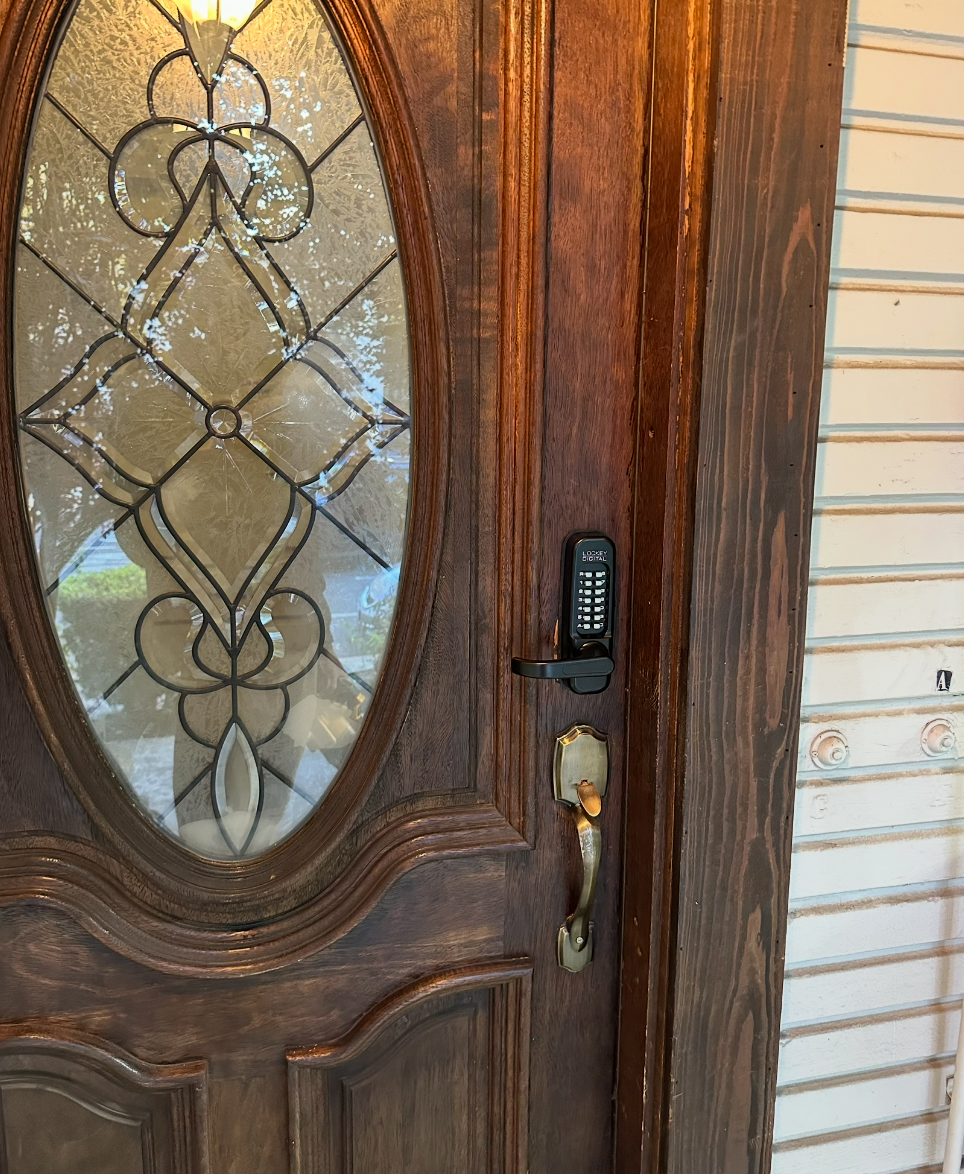
Environmental factors, particularly seasonal changes, can also impact the performance of your lock. Wood doors and frames may expand or warp due to temperature and humidity shifts, causing the latch to become misaligned with the strike plate.
In these cases, adjusting the position of the strike plate is often necessary. For metal door jambs, self-tapping screws are recommended to ensure a secure fit, while standard screws are typically sufficient for wood. Proper alignment between the latch and strike plate will restore smooth operation and maintain the security of the door.
Check out our services and pricing at quickturnca.com, or give us a call at (916) 573-9859.
QuickTurn Maintenance specializes in the installation, repair, and adjustment of mechanical keypad locks. Whether you're dealing with passage mode issues, misalignment, or general wear, we help keep your locks secure and functioning properly.
