
How Fire Inspectors Get In: The Access Fixes That Keep Sacramento Buildings Compliant
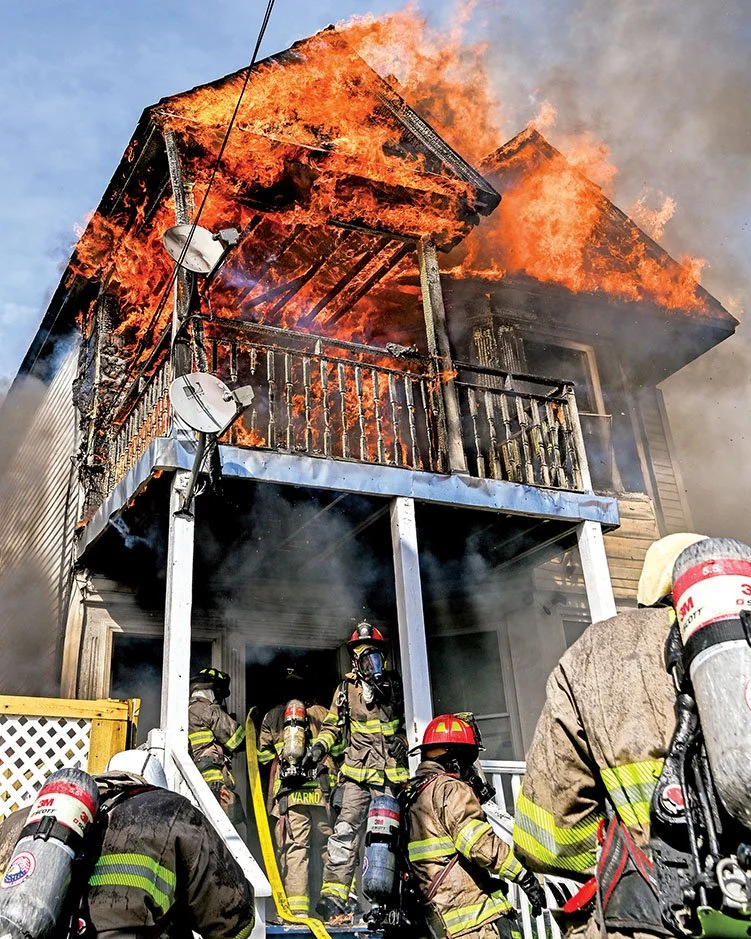
Over the past year, QuickTurn Maintenance has completed dozens of fire code inspections and the corrections that follow, working directly alongside fire inspectors on behalf of property managers across Sacramento. When a building gets flagged, the property manager usually doesn't have time to decode the report, chase down parts, and coordinate the fixes. That's the part we take off their plate.
We've done enough of this work to see the same problems come up building after building. This is the first of two posts on what we find. This one covers the single largest category we run into: making sure the fire department can actually get into the building. The companion post, "Extinguishers, Detectors, and Clutter," covers the on-site hazards inspectors flag once they're inside.
Why Access Is the Biggest Issue
Here's the pattern almost nobody expects. The most common fire code corrections have nothing to do with fire itself. They're about access.
If there's a fire or a medical emergency, responders need to get through the gate and through the door fast. If they can't, they force entry, and a locked security gate or a solid old front door turns into thousands of dollars of damage. Inspectors know this, so access items get flagged hard and often. Across the buildings we've serviced, access problems were the number one reason a property needed corrections.
Here are the ones we see most, and how we fix them.
Knox Boxes
What it is: A Knox box is a small, secured lockbox mounted near the entrance that holds keys and gate codes. The fire department carries a master key that opens every Knox box in the jurisdiction, so they can let themselves in without breaking anything.
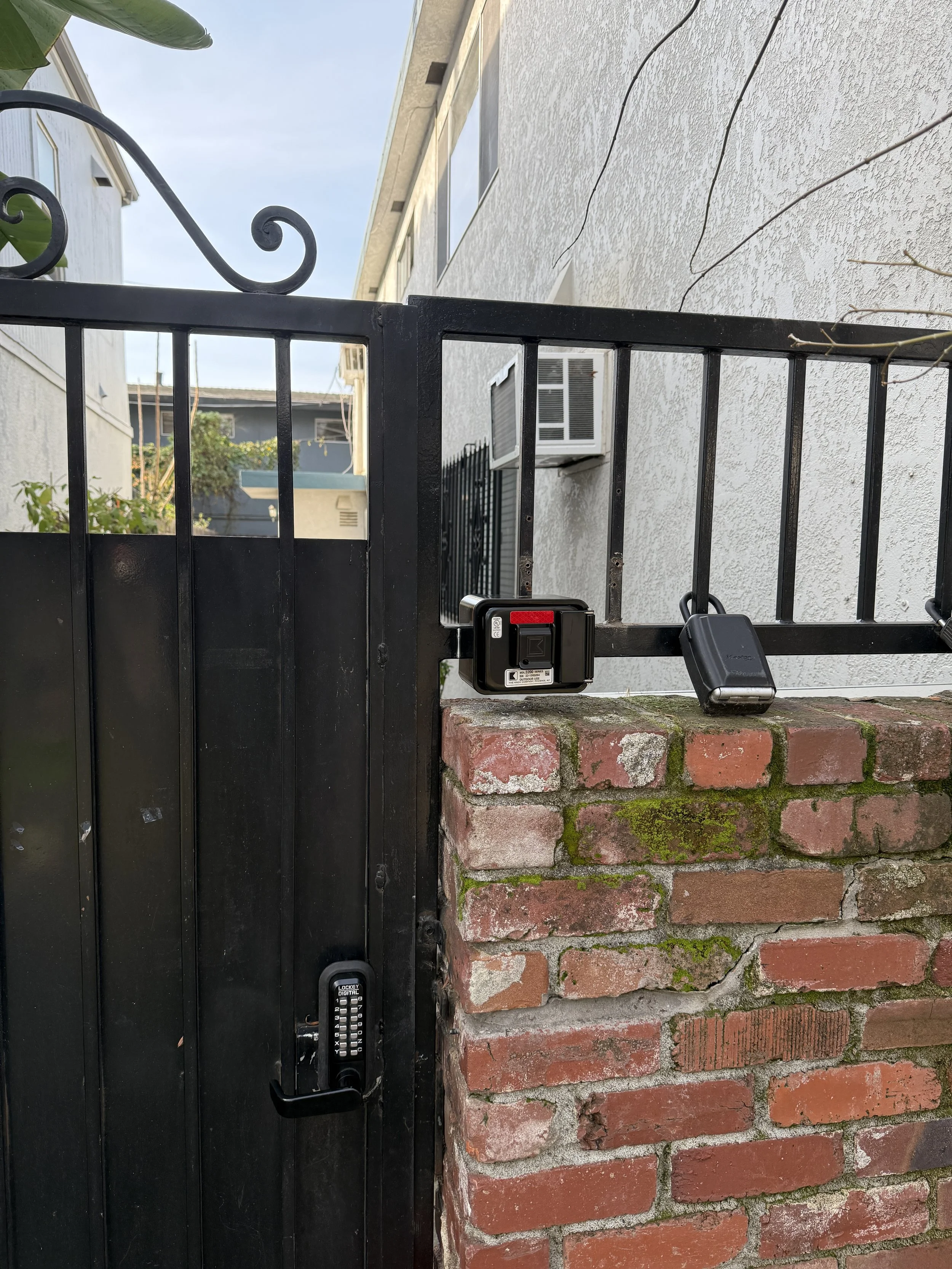
This was by far the most common correction across every building we worked. Some properties had no Knox box at all. Others had one, but it was missing keys, had the wrong keys, or held a gate code that had since changed.
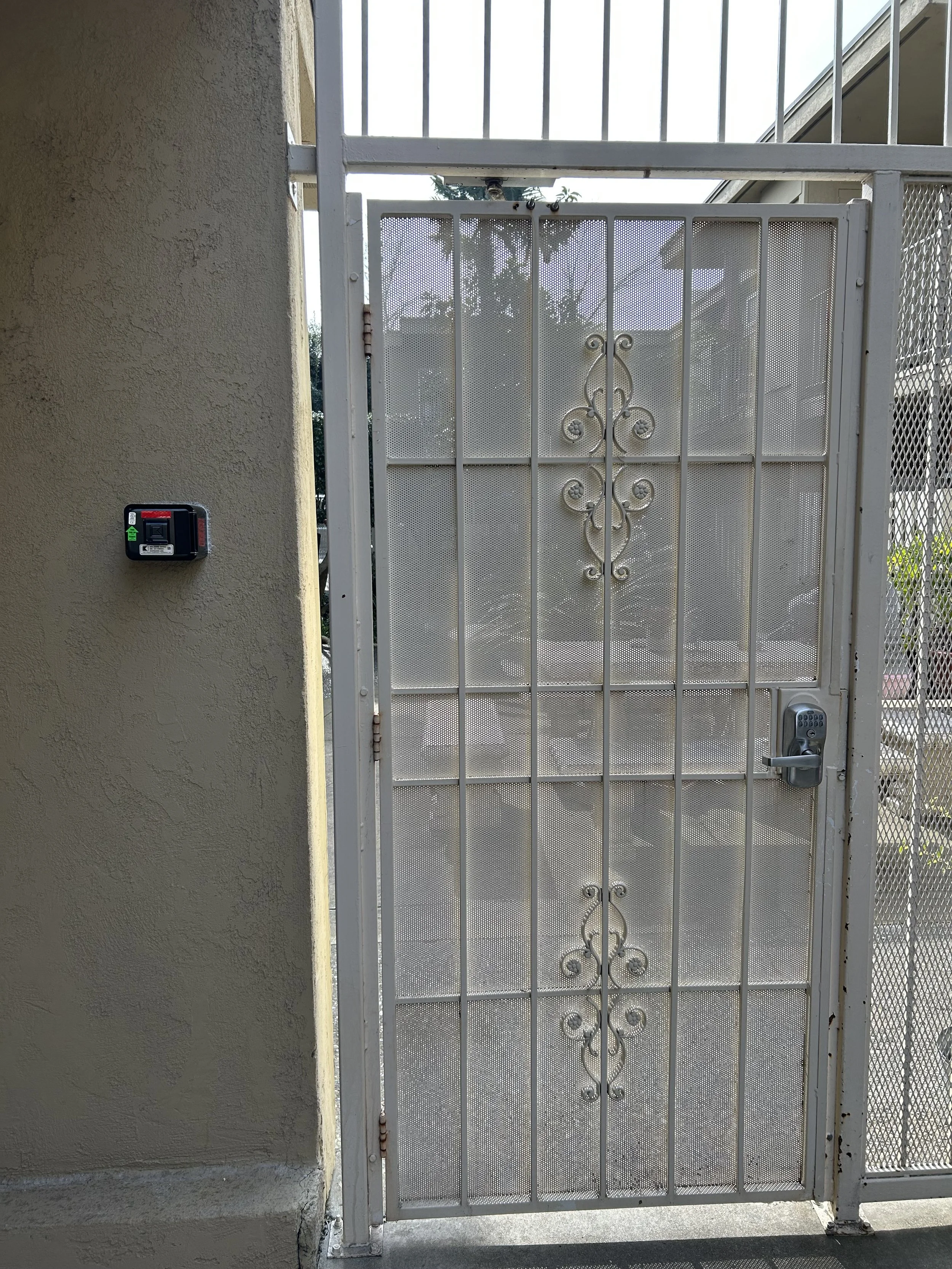
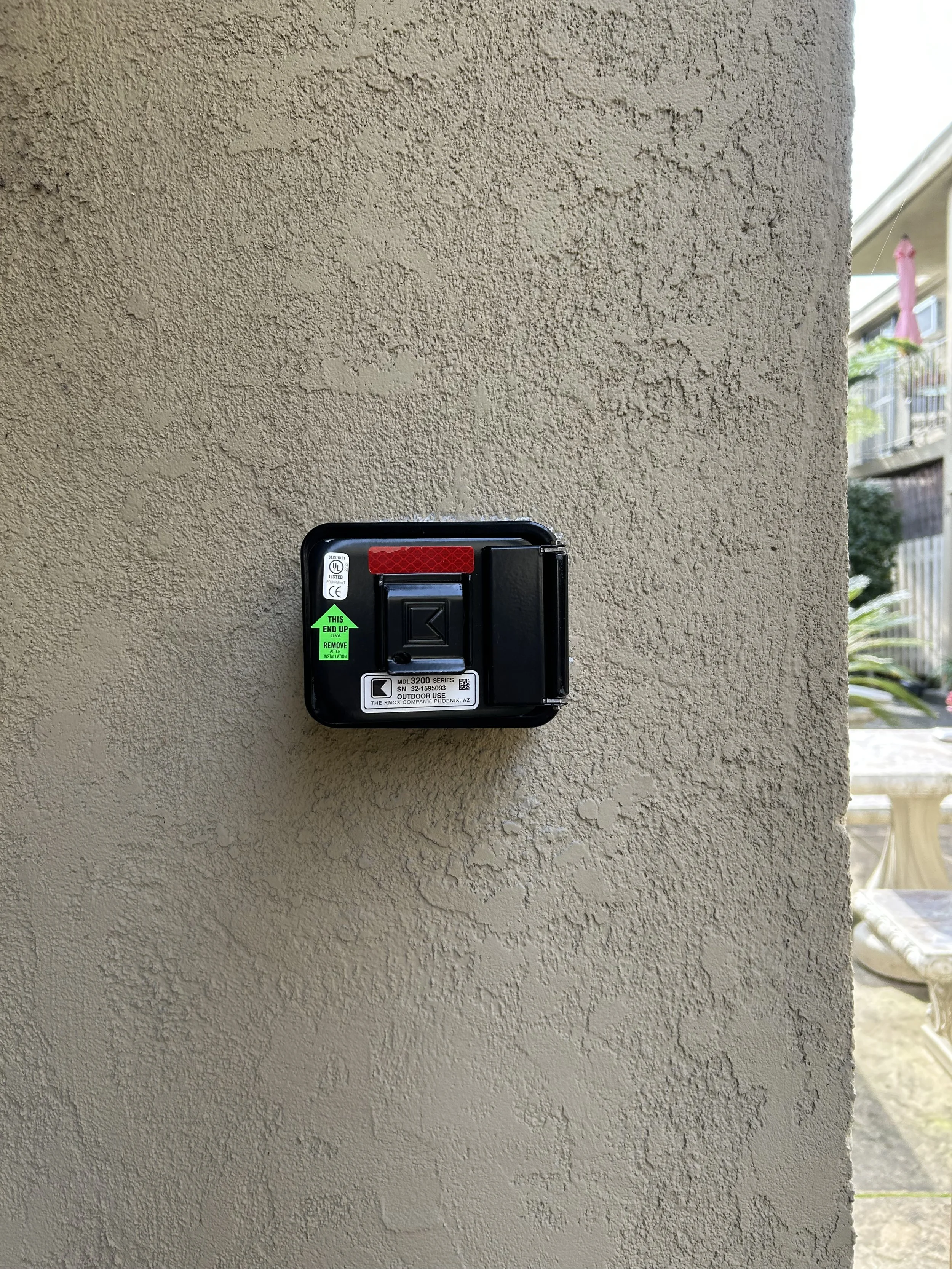
How we fix it: We order and install the Knox box at the gate or main entrance, stock it with working keys and current codes, verify the fire department can access it, and send the property manager a photo confirming it's done.
Keys That Actually Work
Installing the box is only half the job. Time and again, we found Knox boxes with keys inside that didn't open the door they were supposed to, or building keys that had been re-keyed at some point and never updated in the box.
How we fix it: We test every key in the box against the door or gate it belongs to before we call it done. If a key doesn't work, we cut a working one, add it, and confirm access on the spot. A Knox box with a dead key is the same as no Knox box at all when it counts.
Locks Without a Key Override
Push-button and combination locks are a recurring flag. If a lock only opens with a code, the fire department can't get through it with their master key, and a dead battery can lock everyone out. Inspectors want a physical key override on these.
How we fix it: We convert the lock so it has a keyed override, then add that key to the Knox box. Depending on the door, that means swapping a combo lock for a keyed padlock, installing a digital lock with a key backup, or modifying the existing hardware. We match the fix to the door instead of forcing one solution everywhere.
Gates, Door Swing, and Address Visibility
A few smaller access items came up often enough to plan for:
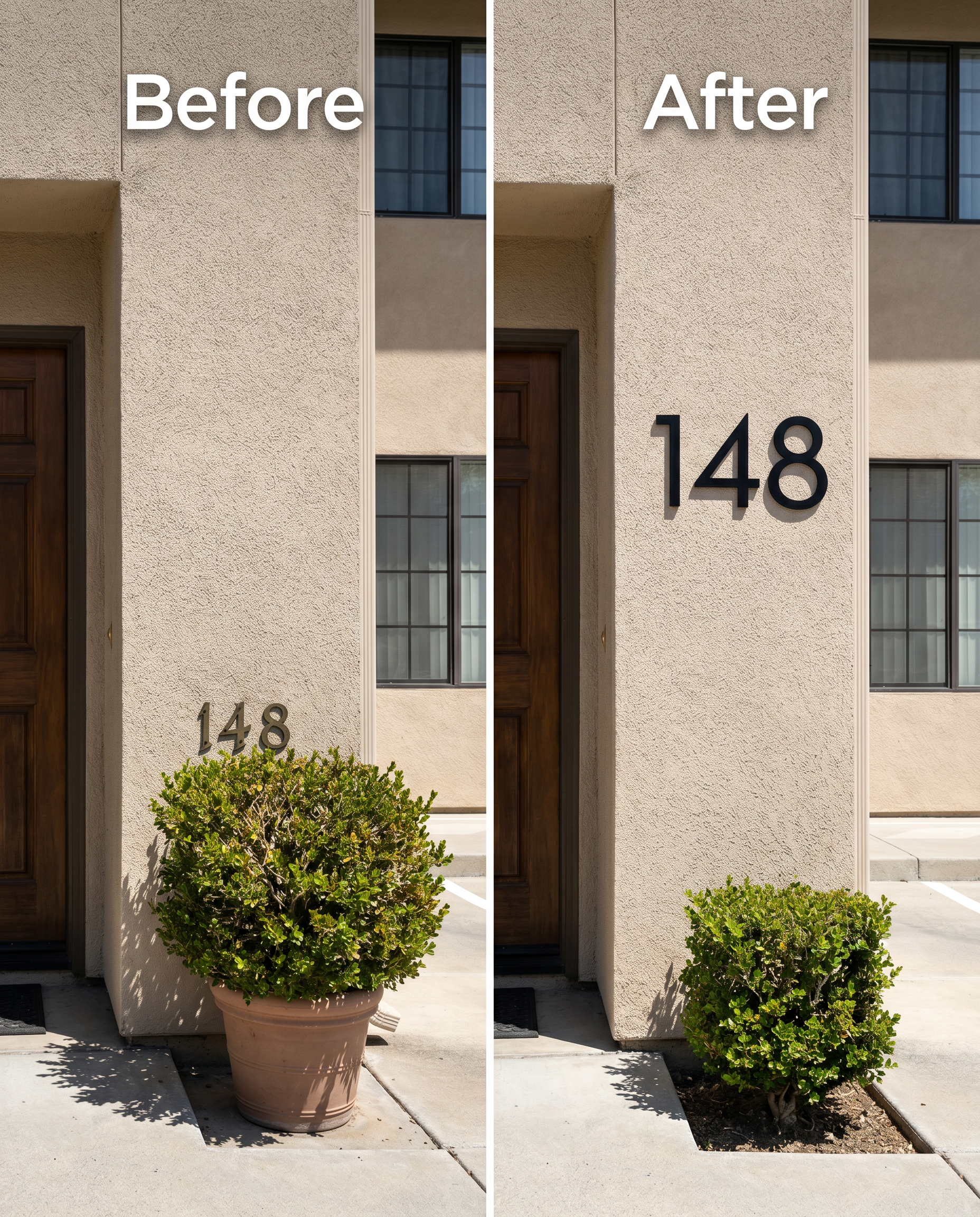
Address visibility. Responders have to find the building before they can enter it. We relocate or enlarge address numbers so they're clearly visible from the street.
Door and gate orientation. We've corrected gates that swung the wrong way and door hardware that operated backward, both of which slow down entry and exit.
Clear access paths. Overgrown bushes, stored junk, and blocked walkways get flagged when they sit in the path to a unit or an exit. We clear them and bring in a landscaper when the overgrowth calls for it.
Why Property Managers Hand This to Us
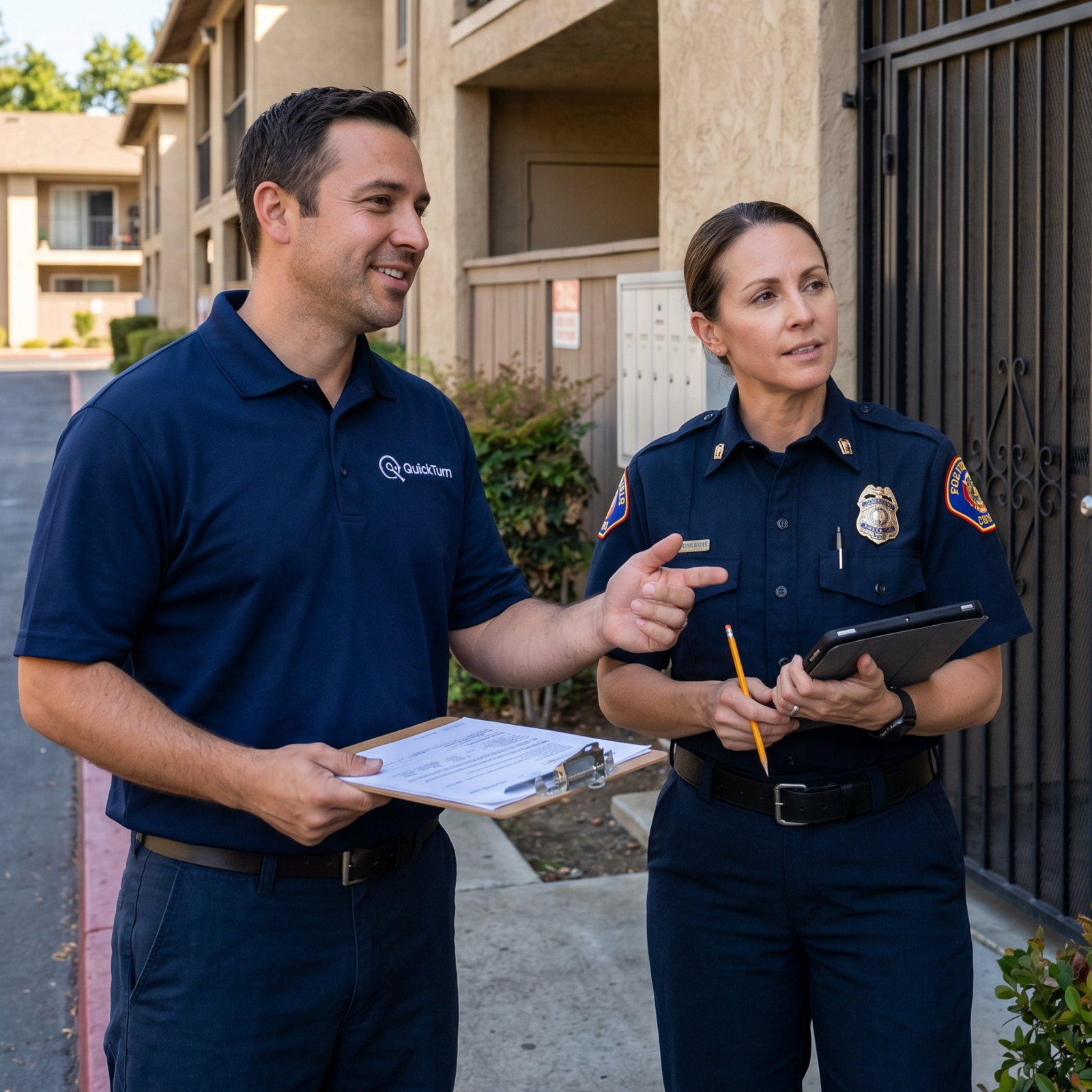
Access corrections sound simple until you're the one sourcing a Knox box, coordinating with the fire department on placement, cutting and testing keys, and swapping lock hardware across a dozen buildings. We do this work regularly; we know what inspectors are looking for, and we document each fix with photos so the property manager has a clean record for the file.
QuickTurn Maintenance is a licensed contractor (License #1152617), CAA-certified, and AppFolio-fluent, serving property managers throughout Sacramento and the surrounding region. If your portfolio has fire inspections coming up or corrections sitting open, reach out, and we'll walk the list with you.
Read the companion post: "Extinguishers, Detectors, and Clutter: The On-Site Hazards Sacramento Fire Inspectors Flag Most."
