
Why Preventative Maintenance Saves Landlords Money in the Long Run
Every landlord knows the feeling. A tenant calls on a Sunday night, the water heater's flooding the garage, and now you're paying emergency rates for a problem that didn't have to happen.
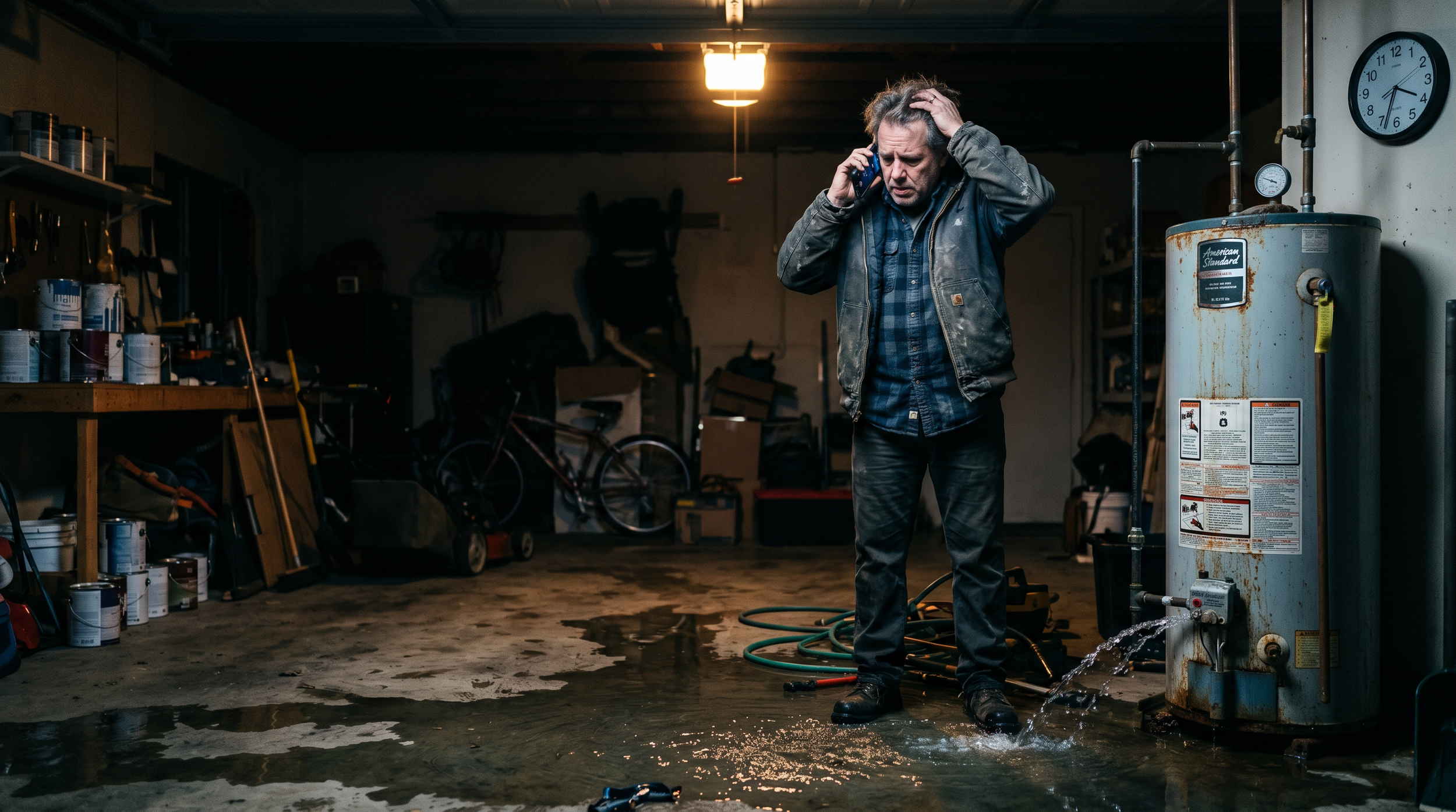
Here's the thing about rental property: the most expensive repairs are almost always the predictable ones. The failure was coming for months. The only question was whether you caught it early and cheap, or late and expensive.
That's the whole case for preventative maintenance. Let's break down the numbers, then give you a season-by-season plan to actually do it.
The Math Is Not Close
Reactive repairs cost more than preventative ones. Not a little more. A lot more.
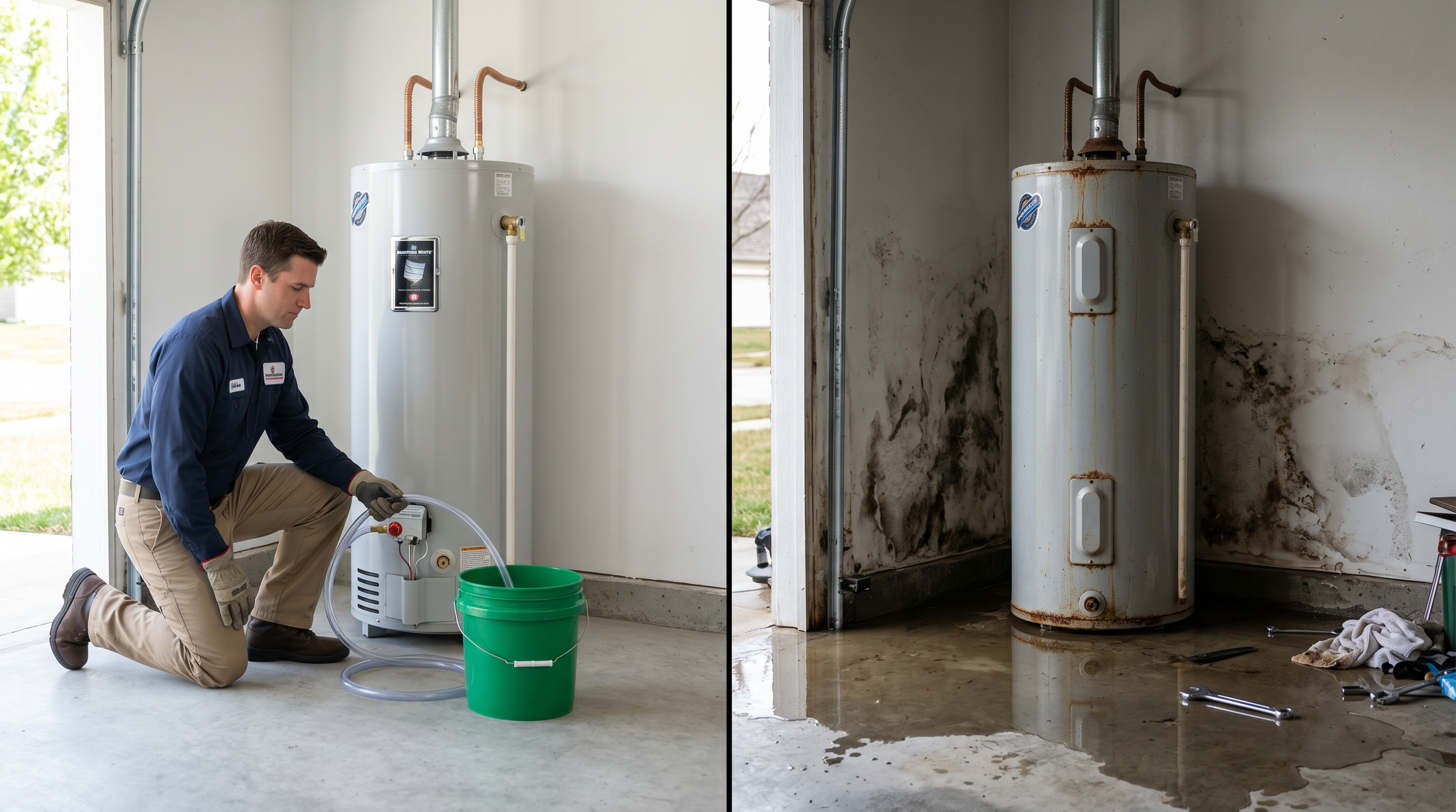
When something breaks unexpectedly, you're paying for the worst version of that repair. Emergency service rates. After-hours premiums. And usually the collateral damage the original problem caused on its way out.
A few common examples:
Water heater. An annual flush to clear sediment runs about $100. A failed heater that floods a unit runs $1,500 for the replacement, plus water damage, plus drywall, plus a displaced tenant. Call it $3,000 and up.
HVAC. A seasonal tune-up is $150 or so. A compressor that dies in a July heat wave is $2,500, and you're paying rush rates because the tenant can't stay in a 95-degree unit.
Roof and gutters. A gutter cleaning is $150. Clogged gutters that send water into the foundation or behind the siding turn into a multi-thousand-dollar repair you won't see coming until the ceiling stains.
Caulking and seals. A tube of caulk and an hour of labor is $50. The slow leak behind it, left alone, becomes a mold remediation job that starts at $1,500.
The pattern holds across almost every system in a building. Small, scheduled, cheap on one side. Large, urgent, expensive on the other.
The Compounding Problem
Deferred maintenance doesn't just sit there politely waiting. It accelerates.
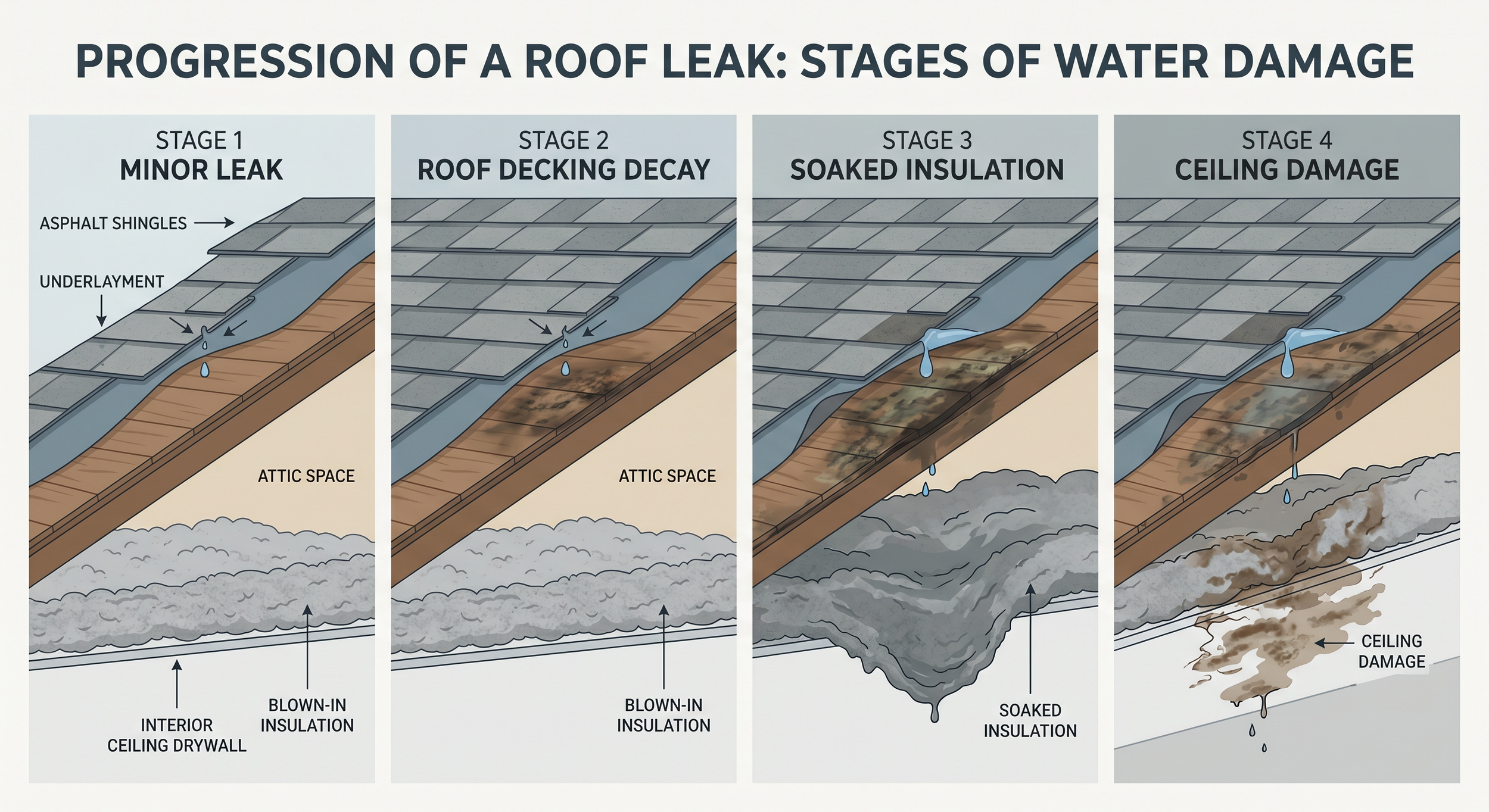
A small roof leak doesn't stay a small roof leak. It rots the decking, soaks the insulation, and eventually finds drywall. Each stage costs more than the last, and the clock speeds up the longer you wait.
This is why "I'll deal with it later" is the most expensive sentence in property management. Later always costs more than now.
A Simple Budgeting Rule
If you want one number to plan around, set aside roughly 1% of the property's value per year for maintenance. A $400,000 property means budgeting about $4,000 annually.
Some years you'll spend less. Some years a major system ages out and you'll spend more. But landlords who budget for maintenance treat it as a normal operating cost instead of an emergency that wrecks their cash flow. The money's already accounted for.
The Seasonal Playbook
Most building failures are seasonal and predictable. That's good news, because it means you can get ahead of them with a simple quarterly routine. Here's what to do and when, and the expensive failure each task is heading off.
Spring
Service the HVAC before cooling season. Prevents a mid-summer compressor failure.
Clean gutters and check downspouts after winter rains. Prevents foundation and siding water damage.
Inspect the roof for loose or damaged shingles. Prevents a small leak from reaching the decking.
Summer
Check exterior caulking and re-seal windows and doors. Prevents slow leaks and mold.
Inspect the water heater and flush out sediment. Prevents a flood-out failure.
Test irrigation and check for outdoor leaks. Prevents water waste and slab issues.
Fall
Service the heating system before the first cold snap. Prevents a no-heat emergency call.
Clean gutters again after leaves drop. Prevents winter ice and overflow damage.
Check weatherstripping and insulation. Prevents frozen pipes and high utility complaints.
Winter
Insulate exposed pipes and know where the main shutoff is. Prevents burst-pipe disasters.
Check smoke and CO detectors. Prevents a safety failure and the liability that comes with it.
Inspect for drafts and moisture buildup. Prevents mold and tenant comfort complaints.
How to Actually Keep Up With It
A checklist only works if someone runs it. Three things make that happen:
Put it on a schedule. Calendar the quarterly tasks the same way you'd calendar rent collection. If it's not scheduled, it doesn't happen.
Build vendor relationships before you need them. The time to find a good HVAC tech is in May, not during a July emergency. Vendors prioritize the clients they already work with.
Document everything. Keep records of what was serviced and when. It protects you in disputes, helps at resale, and tells you when a system is due.
None of this is complicated. It's just consistent. And consistency is exactly what turns a $3,000 emergency back into a $150 line item.
The Bottom Line
Preventative maintenance isn't an expense. It's the thing that keeps expenses from compounding into emergencies.
The landlords who save money long-term aren't the ones who spend the least each month. They're the ones who never let a $100 problem grow into a $3,000 one.
QuickTurn Maintenance handles preventative and seasonal maintenance for property managers and owners throughout Sacramento. We're CAA-certified, licensed (Contractor #1152617), and AppFolio-fluent. If you want a maintenance schedule that runs itself, get in touch.
